
In the ever-changing world of digital media, it’s becoming harder and harder to stand out. Everyone is creating, posting, and sharing constantly, every brand, every influencer, every business, and every individual with a smartphone. With so much content flooding our screens every day, the question becomes: What actually makes someone stop scrolling? The answer is simple: intentional visual storytelling.
Visual storytelling is the heart of modern communication. It’s the combination of photography, videography, and editing that captures emotion, identity, and meaning in a way words alone rarely can. A powerful visual can create an instant connection, a feeling, before someone even knows who you are. That connection is what makes your work memorable.
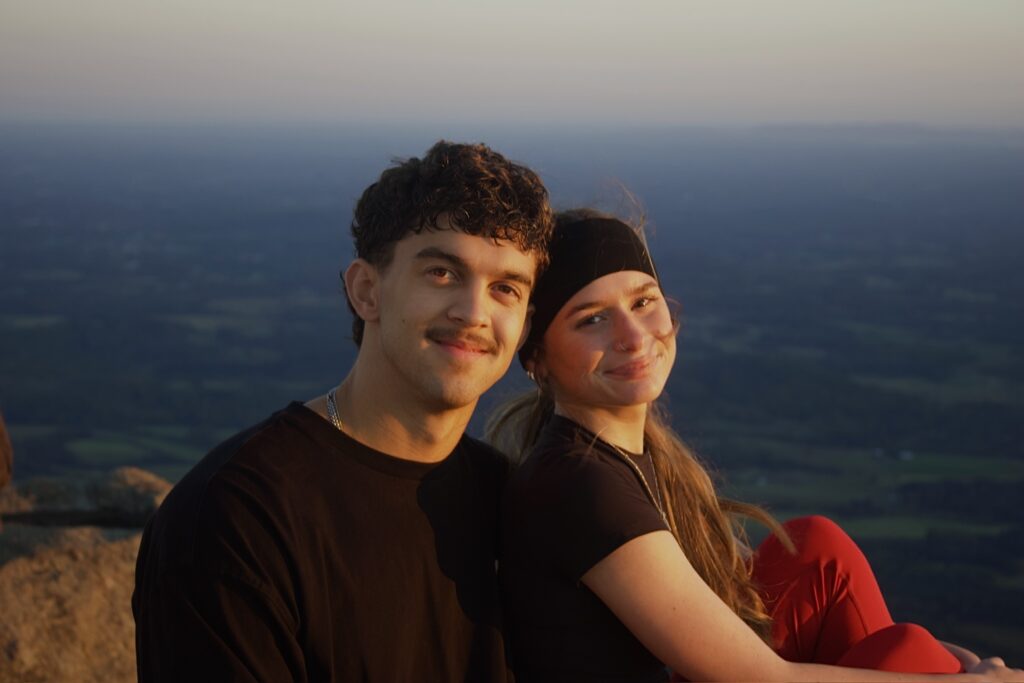
Photography is no longer just about taking a nice picture. It’s about capturing a moment that feels alive: a smile that reaches someone’s eyes, the warm glow of natural light, the authenticity of motion, or the subtle details that give a brand or individual personality. The right image tells a full story without needing an explanation.
Videography, on the other hand, adds movement, pacing, and sound. It immerses your audience in an experience. A well-shot video can transport people into a moment, whether it’s a brand campaign, an event, a portrait reel, or a creative concept. Video is currently the most consumed digital format, and it shapes the way people connect with your message.
But none of this is complete without editing. Editing is where aesthetic, emotion, and intentionality come together. Color grading sets the mood; pacing communicates energy; music adds atmosphere; and composition helps the viewer feel guided through the story. Editing turns raw footage or images into something cohesive, something meaningful.
Ultimately, people don’t just want to see content anymore, they want to feel it. They want visuals that feel warm, cool, modern, cinematic, or nostalgic. They want content that aligns with their identity, their interests, or the version of themselves they aspire to be.
High-quality visuals are no longer a luxury, they’re an expectation. For a brand, they build trust instantly. For an artist, they build recognition. For an individual, they help share a story with confidence. And for creators, photographers, videographers, and editors like me, visual storytelling is a way to bring someone’s ideas, emotions, and vision to life.
As we move deeper into 2025, the value of visual storytelling grows. Attention spans are shorter. Competition is higher. Authenticity is more important than ever. People crave aesthetics, clarity, and connection. And the visuals you share can either make you blend in, or make you stand out.
Your story deserves to be told beautifully. And when visuals are created with intention, they have the power to resonate deeply, spark emotion, and stay in someone’s memory long after they’ve scrolled past.
Good visuals really do make people stop and pay attention. A solid photo or edit can completely change the vibe and tell the story better than words sometimes.